
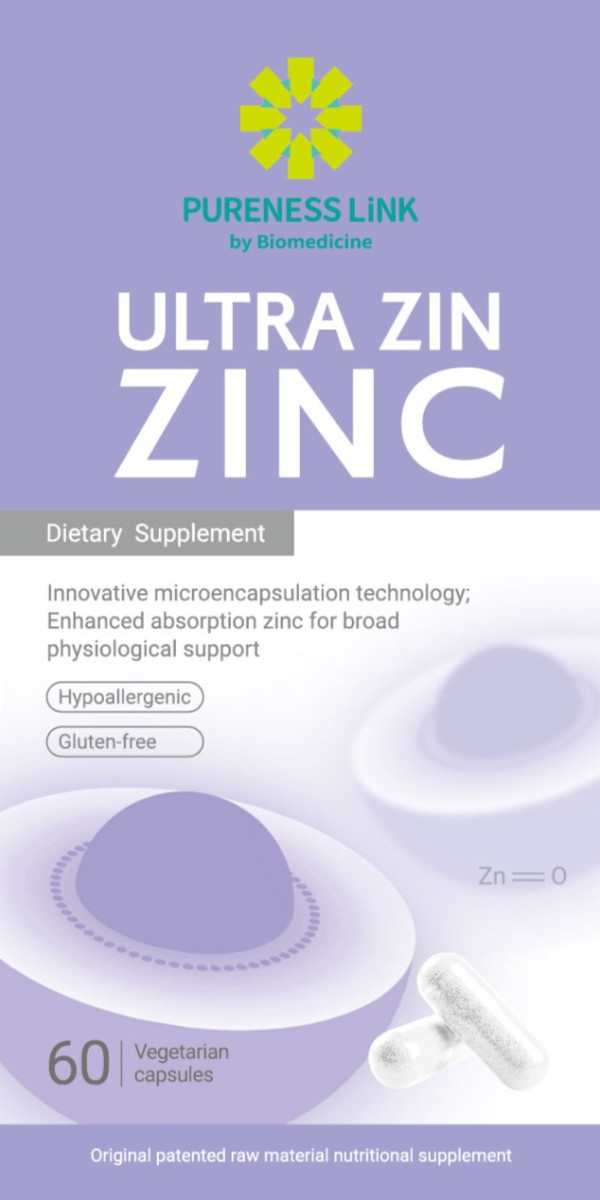

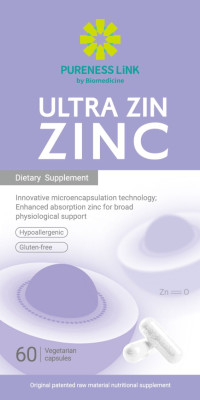

PURENESS LiNK Sucrosomial® Zinc Vegan Capsules
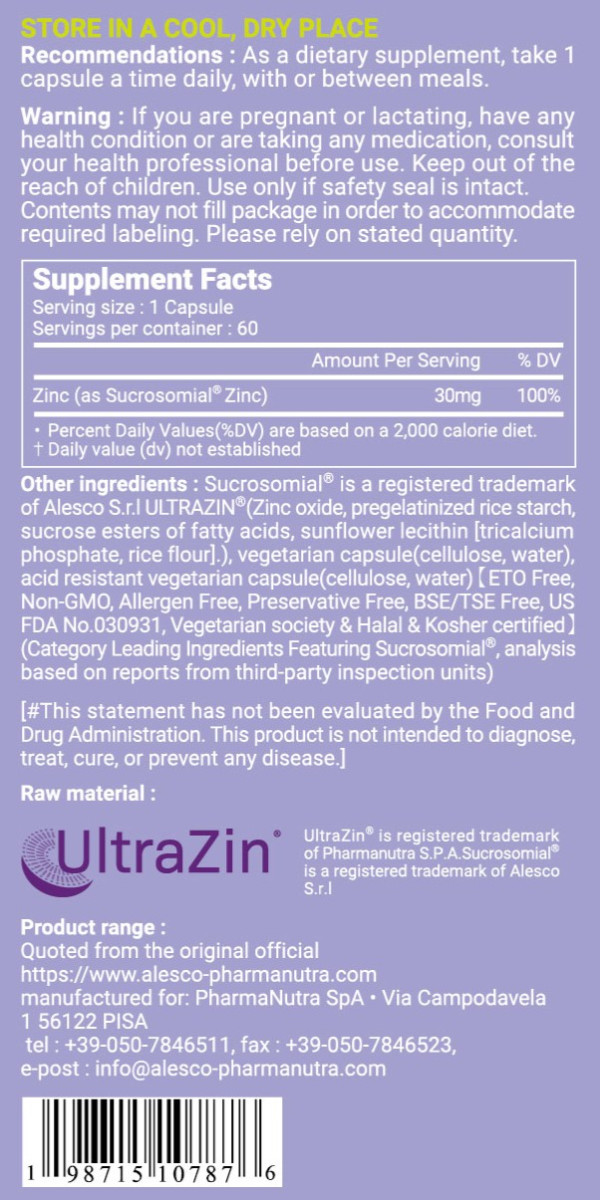
Provides 30 mg of elemental zinc per capsule
UltraZin® × Sucrosomial® Technology | 60 Acid-Resistant Vegan Capsules
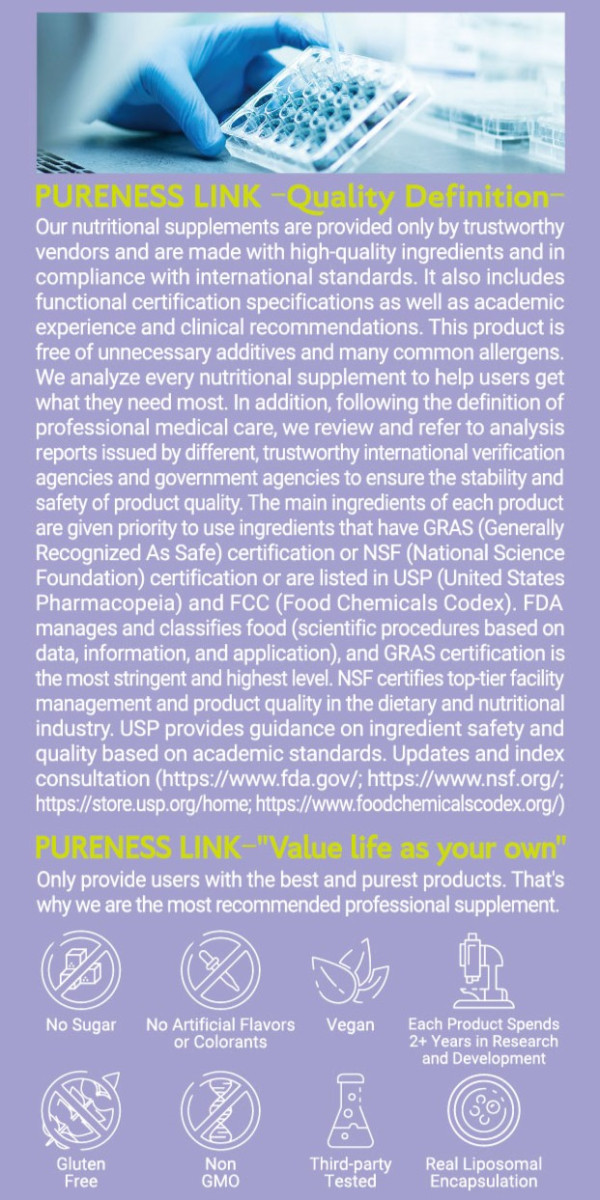
Brand Introduction | Purity, Science and Trust
PURENESS LiNK recognizes the nutritional needs of every stage of life. Guided by our brand philosophy, “Nutrition Science Designed for Efficient Utilization,” we provide trusted nutritional options suitable for daily supplementation.
We believe that truly effective nutritional supplementation involves more than simply providing nutrients in specified amounts. It should also take into account pathophysiological mechanisms recognized in Western medicine, ingredient-specific evidence and scientific research, formulations incorporating functional food ingredients authorized by original manufacturers in Europe, the United States and Japan, and the actual user experience. From ingredient selection to product manufacturing, PURENESS LiNK maintains a professional and meticulous approach, helping consumers of different ages and lifestyles find suitable ways to meet their daily nutritional needs.
Ingredient Technology | UltraZin® Sucrosomial® Zinc
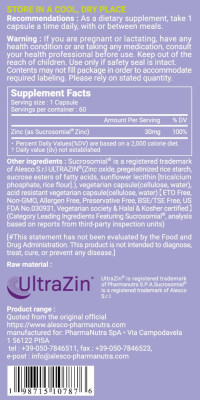
This product provides 30 mg of elemental zinc per capsule. It features UltraZin® Sucrosomial® Zinc from the Italian manufacturer PharmaNutra. Zinc oxide is combined with sucrose esters of fatty acids, sunflower lecithin, pregelatinized rice starch, calcium phosphate and rice flour to form a Sucrosomial® nutrient-delivery system.
Each capsule provides:
- 30 mg of elemental zinc
- Zinc in the form of zinc oxide
- 42 mg of plant-based lecithin
- Original UltraZin® zinc ingredient
- A Sucrosomial® microencapsulated formulation
- An acid-resistant vegan capsule
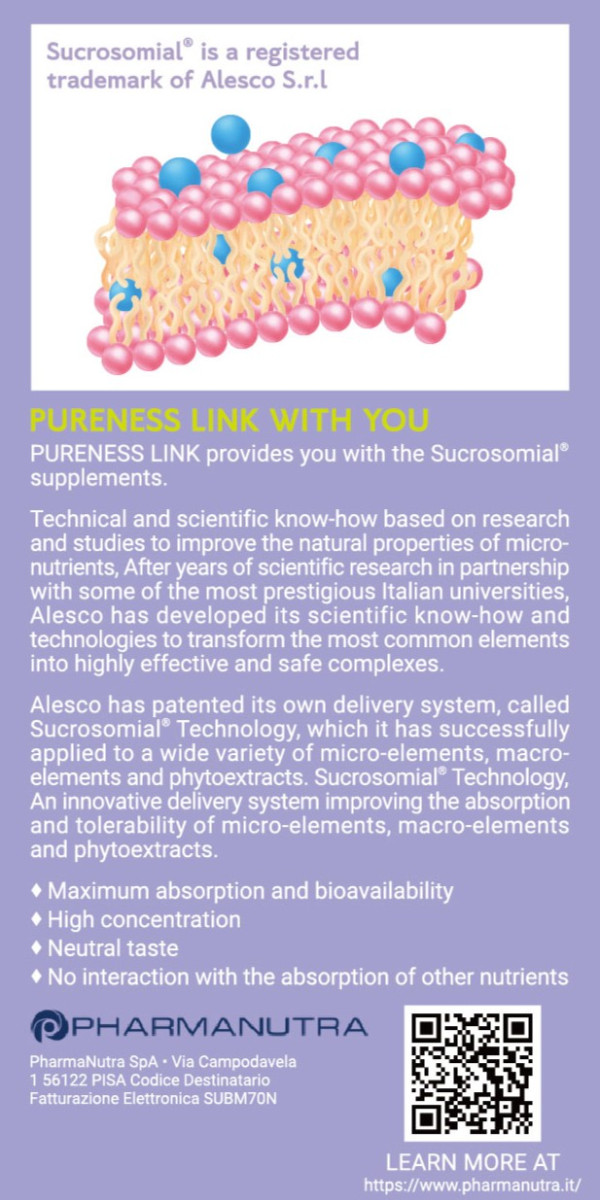
What Is Sucrosomial® Technology?
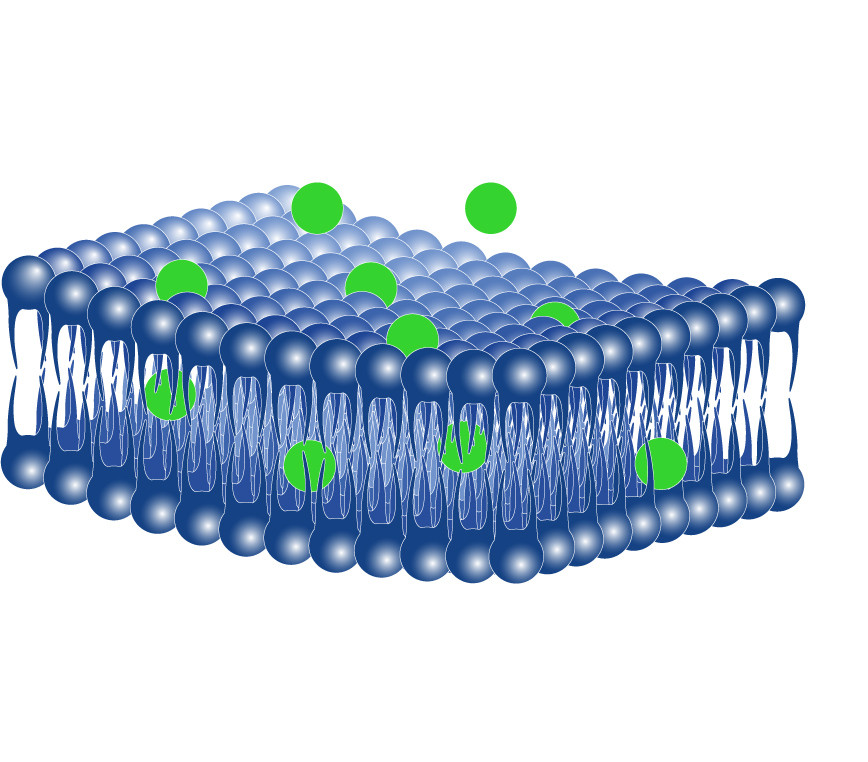
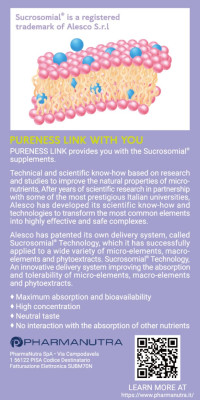
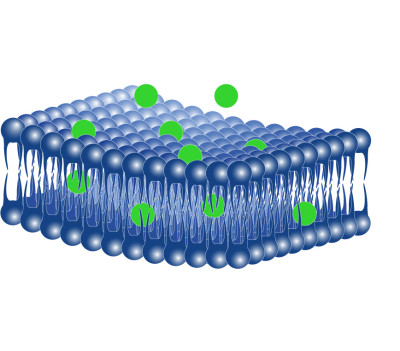
Sucrosomial® Technology is a microencapsulated nutrient-delivery system. Its central concept is to combine a nutrient with sucrose esters of fatty acids and a plant-based phospholipid matrix, forming a fine structure known as a Sucrosome®.
The UltraZin® formulation used in this product contains zinc oxide, pregelatinized rice starch, sucrose esters of fatty acids, sunflower lecithin, calcium phosphate and rice flour. It is designed to:
Disperse zinc evenly throughout the formulation matrix
Reduce direct exposure of zinc to the external environment and gastric mucosa
Support passage of the formulation through the gastric environment
Support the release and subsequent absorption of zinc in the small intestine
Improve the taste and tolerability commonly associated with conventional zinc salts
Provide a plant-based source of phospholipids
Support formulation stability and convenient daily supplementation
Technically, Sucrosomial® Technology is more accurately described as a sucrose ester-phospholipid microencapsulation system. It is not identical to a conventional liposome formed primarily from a phospholipid-bilayer vesicle.
Sucrosomial® Technology is a nutrient-formulation and delivery system. It does not guarantee a particular absorption rate, physiological outcome or therapeutic effect and is not a substitute for a balanced diet.
Absorption and Metabolism of Zinc | Intestinal Regulation, Protein Transport and Faecal Elimination
Zinc is an essential trace mineral. Because the body has no specialised organ for storing a large reserve of zinc, an appropriate daily intake must be maintained through the diet.
The overall pathway of orally consumed zinc may be summarised as follows:
- Consumption and capsule disintegration → passage through the gastric environment → release in the small intestine → uptake of zinc ions by intestinal cells → partial binding to metallothionein within intestinal cells → transport into the portal circulation through transporters such as ZnT1 → binding to plasma proteins, including albumin and transferrin → distribution to skeletal muscle, bone, skin, the liver, the pancreas and other tissues → elimination primarily through the gastrointestinal tract and faeces.
The body adjusts zinc absorption according to dietary intake and nutritional status. As zinc intake increases, the total amount absorbed may rise, while the fractional absorption generally decreases.
Zinc absorption and utilisation may also be influenced by:
- The chemical form of zinc and the amount consumed at one time
- The phytate content of foods
- Gastrointestinal health and absorptive capacity
- The amounts of iron, copper and other minerals being consumed
- Age, dietary pattern and individual physiological differences
- Concurrent medication use
- Whole grains, legumes, nuts and seeds contain phytate, which can bind zinc and reduce its absorption. People who consume predominantly plant-based diets should therefore consider both the amount and the dietary sources of zinc.
Physiological Functions of Zinc | Metabolism, Skin, Taste, Growth and Development
According to the nutrient-related physiological function statements published by the Taiwan Food and Drug Administration, zinc has the following normal nutritional functions.
1. Zinc Is a Component of Insulin and Numerous Enzymes
Zinc participates in the catalytic or structural functions of hundreds of enzymes. It is also involved in the storage and stabilisation of insulin within pancreatic cells. These enzymes participate in energy utilisation, protein synthesis, nucleic-acid metabolism and numerous cellular reactions.
2. Contributes to the Normal Metabolism of Energy, Carbohydrates, Proteins and Nucleic Acids
Zinc is required by numerous metabolic enzymes and transcription-regulating proteins. It participates in the normal synthesis, breakdown and utilisation of carbohydrates, proteins and nucleic acids.
Zinc does not directly provide calories and cannot replace a balanced diet. An appropriate intake nevertheless contributes to normal human metabolism.
3. Supports Skin Health
Zinc participates in skin-cell renewal, keratin formation and the maintenance of normal tissue structure. Zinc status in the skin is also associated with normal cell division and protein synthesis.
4. Helps Maintain Normal Taste and Appetite
Zinc participates in taste-bud renewal and the normal activity of proteins involved in taste perception. Inadequate zinc intake may be associated with changes in taste and reduced appetite. However, taste or appetite disturbances may also be caused by medical conditions, medicines, oral-health problems or other nutritional factors and should be appropriately assessed.
5. Helps Maintain Normal Growth, Development and Reproductive Function
Zinc participates in cell division and in DNA and protein synthesis. It is therefore involved in normal growth and development during childhood and adolescence, as well as in cellular and enzymatic reactions required for normal male and female reproductive physiology.
6. Contributes to Protein Synthesis in Skin Tissue
Zinc participates in protein synthesis, cell renewal and normal tissue-repair processes, providing nutritional support for maintaining the normal structure of skin tissue.
These statements describe the normal nutritional functions of zinc. They do not indicate that this product can treat skin disease, infertility, sexual dysfunction, loss of appetite or any other medical condition.
Suitable Users | Daily Zinc Supplementation
This product is suitable for:
- People seeking to supplement their daily zinc intake
- People with unbalanced diets or who frequently eat outside the home
- People with limited dietary variety
- People who consume limited amounts of meat, seafood, eggs or dairy products
- People whose diets rely heavily on whole grains, legumes or other high-phytate foods
- Vegetarians, vegans and people following predominantly plant-based diets
- People concerned about normal energy, carbohydrate, protein and nucleic-acid metabolism
- People concerned about maintaining skin health
- People seeking to maintain normal taste and appetite
- People in periods of growth who have been professionally assessed as requiring supplementation
- People who prefer products with a clearly stated amount of elemental zinc
- People seeking an original Italian UltraZin® ingredient
- People seeking a Sucrosomial® microencapsulated formulation
- People who prefer plant-based phospholipids and vegan capsules
- This product provides 30 mg of zinc per capsule and is therefore a relatively high-strength zinc supplement. Children, adolescents, pregnant or breastfeeding women, long-term users and people taking other zinc-containing products should first assess their total daily zinc intake.
Product Features
- Provides 30 mg of elemental zinc per capsule
- Features UltraZin® from the Italian manufacturer PharmaNutra
- Uses Sucrosomial® microencapsulation technology
- Uses zinc oxide as the source of zinc
- Combines sucrose esters of fatty acids with a plant-based phospholipid matrix
- Uses sunflower lecithin as the plant-based phospholipid source
- Provides 42 mg of plant-based lecithin per capsule
- Contains soluble dietary fibre
- Contains pregelatinized rice starch, calcium phosphate and rice flour
- Made with non-genetically modified ingredients
- Raw-material specifications indicate that it is gluten-free
- Raw-material specifications indicate that it is free from common allergens
- Preservative-free
- Raw-material specifications indicate that ethylene oxide treatment is not used
- Acid-resistant hydroxypropyl methylcellulose vegetable capsules
- Vegan formulation suitable for people following a vegan diet
- 60 capsules per bottle
- One capsule daily for convenient supplementation
Suggested Use
Take one capsule daily with water. Swallow the capsule whole without chewing. It may be taken with a meal or between meals. People who have sensitive digestive systems or experience nausea when taking zinc on an empty stomach may prefer to take it with food.
Please follow the latest Chinese-language product label for the recommended daily intake, timing of consumption and storage instructions. Store in a cool, dry place away from direct sunlight. Keep the container tightly sealed after opening.
Precautions
- Follow the recommended serving amount. Excessive consumption provides no additional benefit.
- Each capsule provides 30 mg of zinc. Do not increase the daily serving without professional advice.
- According to Taiwan’s eighth edition of the Dietary Reference Intakes, the recommended zinc intake is 15 mg per day for adult men and 12 mg per day for adult women. The adult Tolerable Upper Intake Level is 35 mg per day.
- The 30 mg provided by one capsule approaches the Taiwanese adult upper limit. The upper limit includes zinc from food, other supplements and related products.
- When taking multivitamins, mineral supplements, zinc-containing lozenges or other zinc products, consider the total daily intake of elemental zinc from all sources.
- Long-term excessive zinc intake may impair copper absorption and copper status. People planning to use the product daily over an extended period should consult a physician, pharmacist or registered dietitian.
- Higher zinc intakes may cause nausea, gastric discomfort, vomiting, headache, dizziness or loss of appetite. Discontinue use if adverse effects occur.
- Taking supplements containing 25 mg or more of elemental iron at the same time may reduce zinc absorption. Follow the separation interval recommended by a healthcare professional.
- Zinc can interact with quinolone and tetracycline antibiotics. The antibiotic should generally be taken at least two hours before or four to six hours after the zinc supplement.
- Zinc may reduce the absorption and action of penicillamine. Separate the two products by at least one hour and follow the advice of a physician or pharmacist.
- Pregnant or breastfeeding women, infants, children, people with medical conditions and those taking medication should consult a physician, pharmacist or registered dietitian before use. Infants and young children should avoid this product.
- This product is a nutritional supplement and is not intended to diagnose, treat, cure or prevent any disease.